Functioning Well Doesn’t Mean Everything Is Under Control
High performers can look like they’re thriving while quietly burning out. Chronic stress damages decision‑making, memory, and emotional capacity long before performance drops — which is why so many leaders miss the early warning signs. Functioning well doesn’t mean you’re okay; it just means the cost hasn’t shown up yet.
The Most Strategic Decision You’ll Make This Year
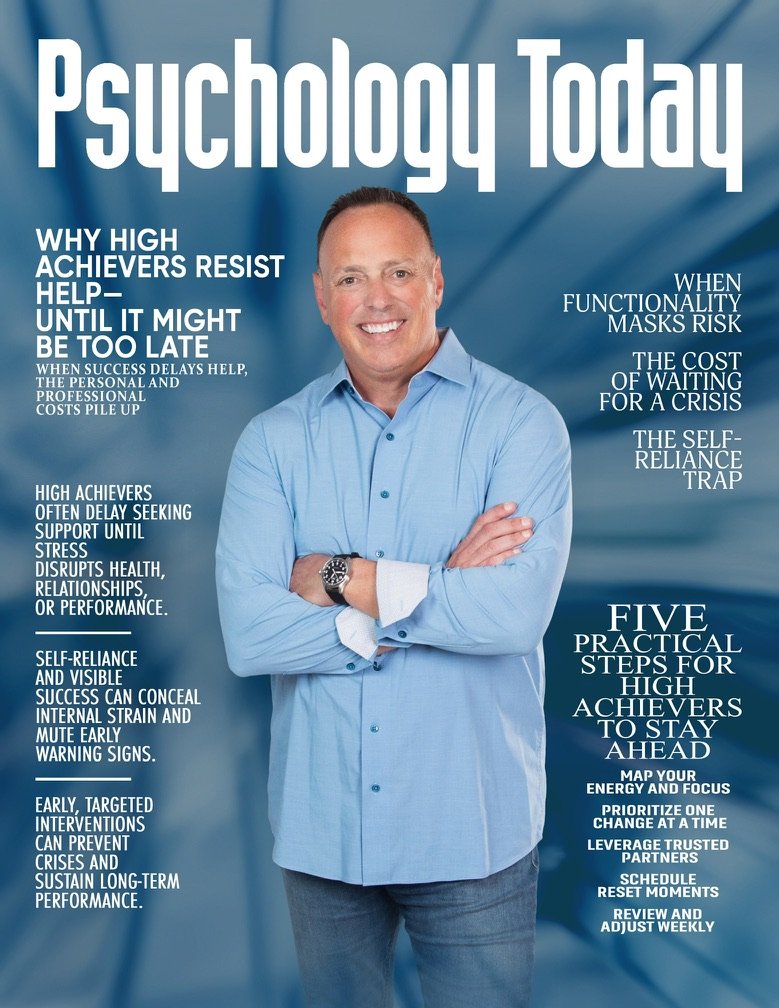
High achievers optimize every part of their lives except the one system they rely on most: themselves. As performance pressures rise, even elite professionals begin running in a degraded state without realizing it. I help high performers recalibrate their internal operating system — identity, clarity, decision‑making, and emotional endurance — so they can sustain excellence without burning out. Early, strategic intervention isn’t self‑care; it’s the smartest investment a high achiever can make to protect long‑term performance, relationships, and reputation.

When High Performers Outgrow Their Old Playbook
Executive leadership coaching isn’t booming because leaders suddenly forgot how to lead. It’s booming because high performers are finally hitting limits they can’t out‑grind anymore. In Jacksonville, I see it every week: founders, executives, and former athletes who’ve outgrown the playbook that made them successful, but haven’t yet built the one that will carry them forward.
The real work of coaching isn’t motivation. It’s pattern recognition. It’s sitting beside a leader—not above them—and helping them see the invisible architecture driving their decisions, reactions, and pressure responses. When that architecture cracks, it doesn’t matter how talented or experienced you are. You feel it. Your team feels it. Your results feel it.
That’s why leaders come to IronMind. Not for pep talks, but for clarity. For a reset. For someone who isn’t impressed by their résumé and isn’t intimidated by their pressure. Someone who can help them rebuild the internal infrastructure required to lead at the level their role now demands.
In a city like Jacksonville—where tech, private equity, and ambitious founders are reshaping the landscape—leadership isn’t just about strategy anymore. It’s about capacity. It’s about identity. It’s about whether you can stay grounded when the stakes rise and the spotlight gets hotter. And the leaders who thrive aren’t the ones who pretend they’re fine. They’re the ones willing to train for the next version of themselves.
Is Your “YES” Muscle Overdeveloped?
High achievers are praised for being reliable, capable, and always available—but an overdeveloped “yes” muscle leads to resentment, exhaustion, and identity loss. This article explores why setting boundaries is essential for sustainable performance and how saying no can actually protect your clarity, confidence, and well‑being.

The High‑Functioning Danger Zone: The Silent Space Between “I Need Help” and Actually Asking for It
The High‑Functioning Danger Zone is the silent period between knowing you need help and actually asking for it—where high achievers quietly unravel behind performance.

The Story of The High_Functioning Danger Zone
This professional story explores how societal perceptions and mental health stigma influence a client’s willingness to seek help — especially among high‑achievers. Many high‑functioning professionals delay or avoid counseling due to fear of judgment, cultural expectations, or identity‑based pressure. The narrative highlights the “high‑functioning danger zone,” the role of cultural humility in counseling, and the importance of creating safe, stigma‑free environments where high performers can access support without fear of being misunderstood. Ideal for mental health professionals, executive coaches, and leaders seeking insight into help‑seeking behaviors and multicultural counseling principles.
The IronMind for Student Athletes
For most student‑athletes, sports aren’t just something they do—they’re the structure that shapes their identity, their confidence, and their daily rhythm. But every athlete, no matter how talented, eventually faces the same moment:
The helmet comes off.
The season ends.
The role changes.
And suddenly, they’re left asking, “Who am I now?”

The Program Only Works If You Do: How IOP at Hazelden Betty Ford Changed My Life
A high‑impact story of recovery through Hazelden Betty Ford’s IOP. Learn how fully engaging in outpatient treatment, accountability, and community became life‑changing.
When Performance Becomes Identity: The Hidden Source of Executive Stress
Most executives don’t struggle because they lack discipline, ambition, or drive. In fact, those traits are usually what propelled them into leadership in the first place.
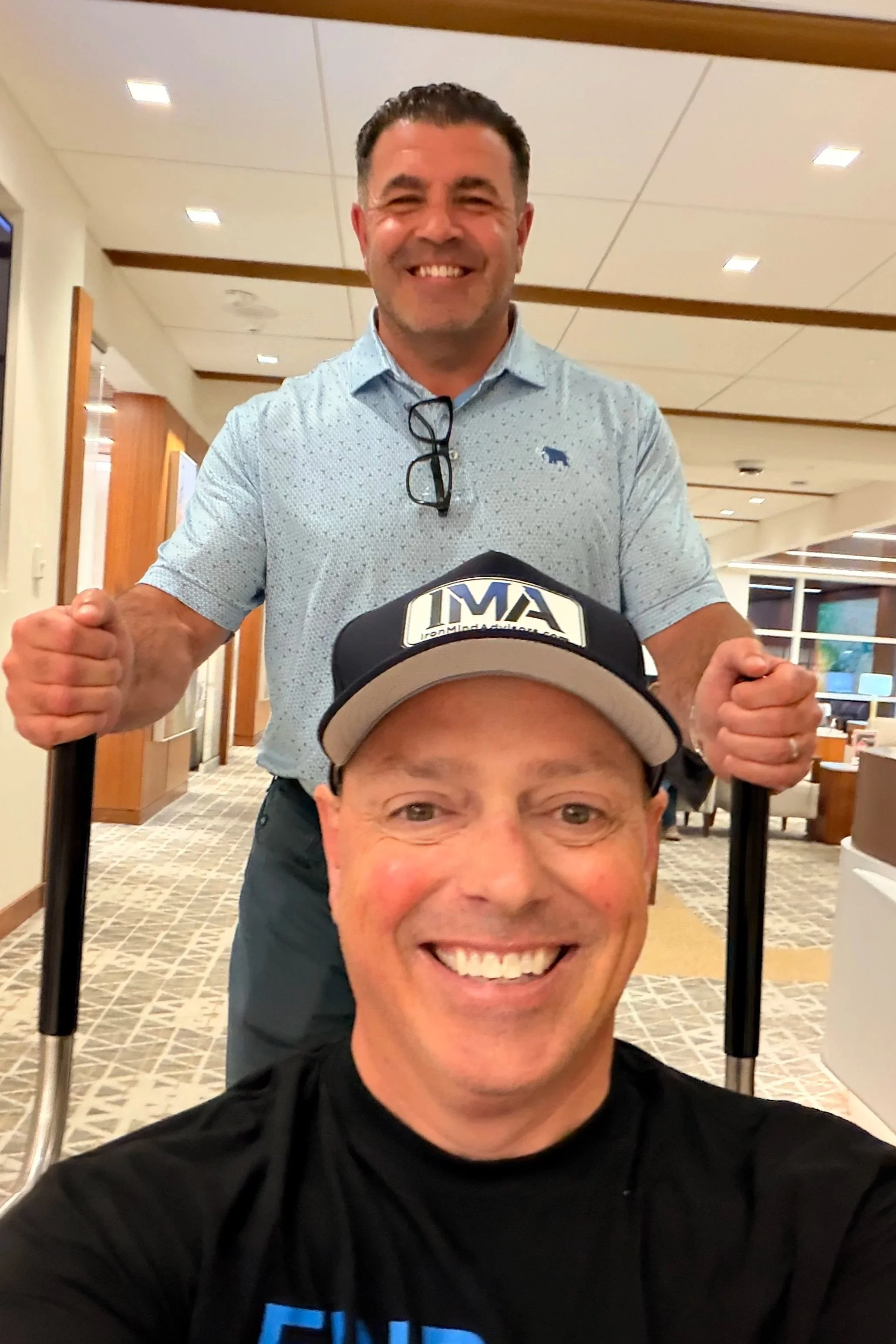
Embracing the Diagnosis: Turning Adversity Into Strength
Leaving the Mayo Clinic after a successful surgery. Floody was there to help out. We have been best friends since 7-8 yers old.


🛡️ IronMind Chronicles: A Redemption Series (Copy)
“While others chased college freedoms, I chased control. The routine, the uniform, the expectations—they didn’t just shape me. They saved me.”

Sharpen Your Edge: The Ancient Wisdom of Proverbs 27:17 for Modern Friendships
“When we hear "sharpening," we might immediately think of encouragement or support. And while those are vital, true sharpening often involves more than just good vibes. Think about that blacksmith's process: it's not always gentle. It can be a little abrasive, creating friction and sparks.”

Asking for Help: The Bravery in Vulnerability
In my toughest moments—grief, addiction, shame, loss—I discovered something no boardroom, no Ironman, no bank account ever taught me: asking for help is strength in its purest form.

From Illusion to Identity
“And through it all... alcohol remained. Not as a solution anymore, but as a crutch. A whisper in the night that promised relief but delivered isolation.”
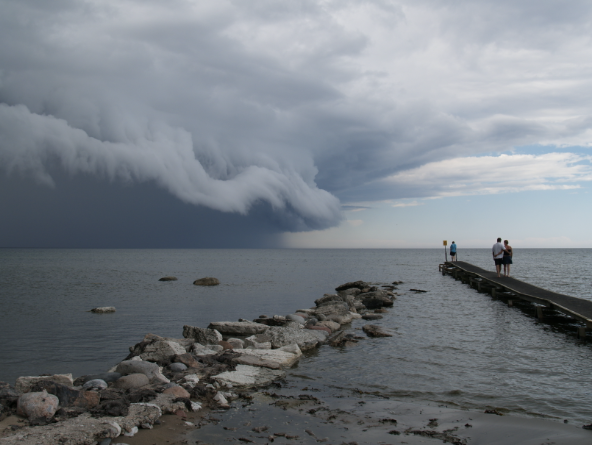
🛡️ Grace in the Storm: Psalm 55 and the Journey of Recovery
Addiction isn’t just a chemical struggle—it’s a soul-level war. Psalm 55 speaks to the chaos of betrayal, anxiety, and emotional exhaustion. David’s words mirror the cries of someone in the throes of addiction or loss. He pleads for escape, asks God to take notice, and ultimately, makes the most radical choice one can in recovery: trust.